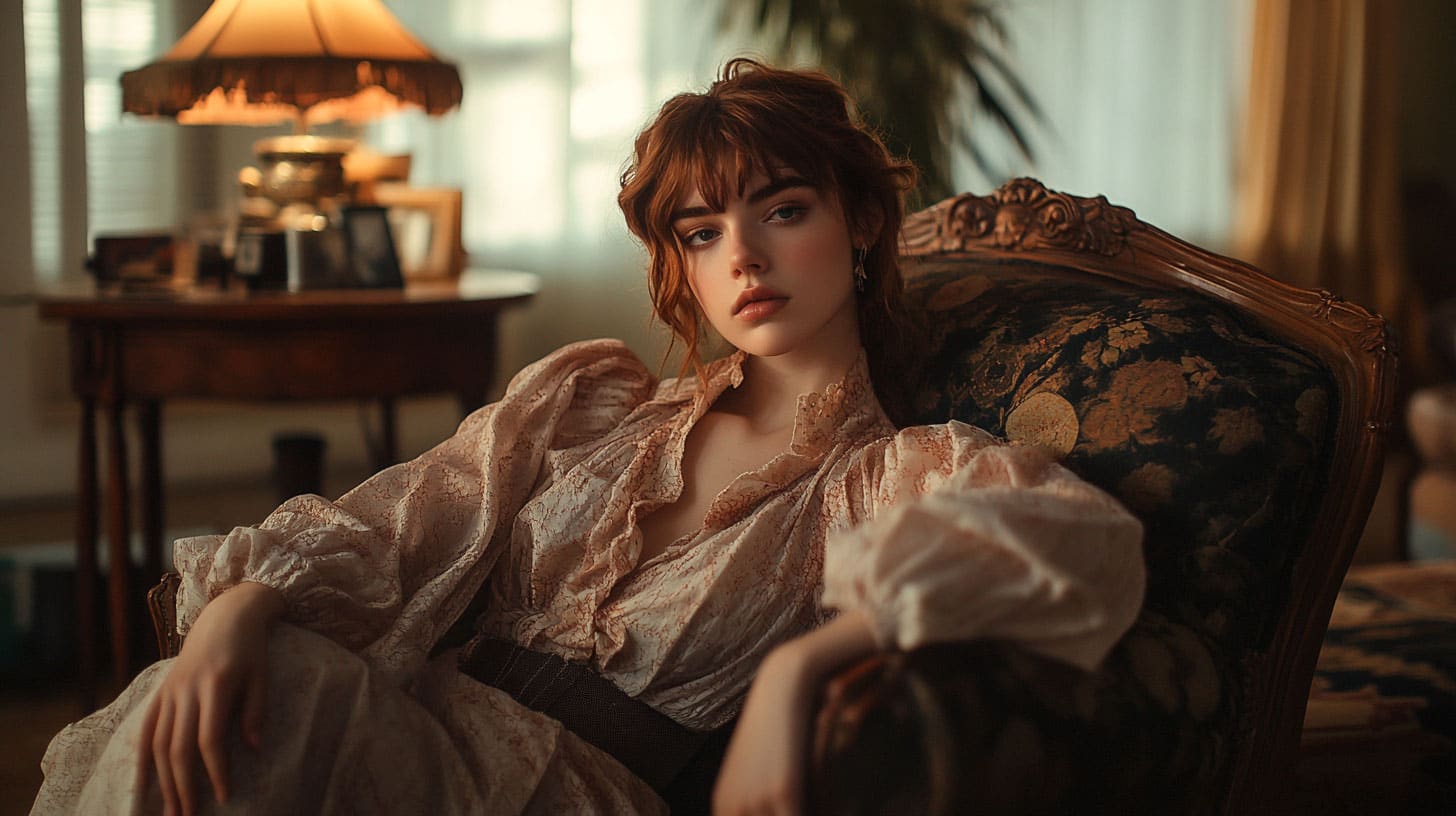
Vintage
Timeless style from past eras, celebrating retro fashion and classic design from the 20s to 80s
What is Vintage?
The vintage aesthetic is the art of wearing the past on purpose — high-waisted denim, slip dresses, tailored blazers, and worn-in band tees pulled from decades of real fashion history. Technically, vintage clothes are garments roughly 20 to 100 years old, which today means anything from the 1920s through the late 1990s. The vintage style celebrates craftsmanship, quality fabric, and the unique character that only age can give a piece, turning thrifted and secondhand finds into a wardrobe with genuine soul.
More than nostalgia, the vintage aesthetic is a way of dressing that prizes individuality and sustainability over fast fashion. When you build vintage outfits, you're mixing eras — a 1970s suede jacket over a 90s slip dress, or a 1950s circle skirt with a modern knit — to create a look no store can sell off the rack. Vintage fashion rewards the hunt, the eye for detail, and the patience to find pieces that fit your shape and your story.
Vintage Gallery
Vintage vs Retro vs Antique: What Counts as Vintage
Before you start shopping, it helps to know exactly what counts as vintage, because the three terms get used interchangeably and they shouldn't be. The distinction comes down to age and authenticity:
- Vintage — an item genuinely made roughly 20 to 100 years ago, so a piece from the 1990s now qualifies while one from last decade does not yet
- Retro — newly made clothing designed to look like a past era, inspired by vintage style without actually being old
- Antique — an item over 100 years old, the category that sits just beyond vintage on the timeline
- Secondhand / pre-loved — simply used clothing of any age, which may or may not be old enough to be true vintage
In short: all vintage clothes are secondhand, but not all secondhand clothes are vintage. A reissued 50s-style dress is retro; the original is vintage; your great-grandmother's 1910s gown is antique.
The Vintage Wardrobe: Timeless Key Pieces
Vintage fashion is built on well-made, timeless pieces that have outlived their original decade for a reason. These are the building blocks of versatile vintage outfits for women and men alike — invest in real fabric, classic cuts, and a little patina:
- High-waisted denim — straight-leg Levi's, mom jeans, and cut-off shorts
- Slip dresses and tea dresses in silk, satin, or floral cotton
- Tailored blazers and structured wool coats with real shoulders
- Vintage band tees and faded graphic shirts with genuine wear
- Leather jackets — moto, bomber, and buttery 70s suede
- Chunky knitwear: cardigans, fair-isle sweaters, and turtlenecks
- Classic trench coats and belted mac coats
- Silk scarves, leather gloves, cat-eye sunglasses, and brooches
The trick to authentic vintage style is mixing one statement era piece with simpler basics so the outfit reads modern, not like a costume. Let the leather jacket or the tea dress be the hero and keep the rest understated.
Vintage by Decade: From 50s Pin-Up to 90s Vintage Outfits
The fastest way to nail the vintage aesthetic is to learn the signature silhouette of each decade, then borrow from the era that suits you. Here's the at-a-glance guide from the 1950s through the 1990s:
- 1950s pin-up — nipped waists, full circle skirts, polka dots, cat-eye liner, and victory rolls; think Mrs. Maisel glamour
- 1960s mod — shift dresses, A-line minis, go-go boots, bold geometric prints, and clean Mad Men tailoring
- 1970s boho and disco — wide-leg flares, suede and fringe, peasant blouses, jumpsuits, and earthy, sun-warmed tones
- 1980s power — strong padded shoulders, neon brights, acid-wash denim, leather, and big statement everything
- 1990s minimalist and grunge — slip dresses, mom jeans, flannel, baby tees, and chunky boots, the heart of 90s vintage outfits
90s vintage outfits are the easiest entry point because so many staples — high-waisted denim, slip dresses, and oversized flannel — already live in the modern wardrobe. Pair a true-90s slip dress with a chunky cardigan and combat boots and you have an effortless look that bridges vintage and now.
The Vintage Color Palette
The vintage color palette is warm, faded, and sun-aged, like an old photograph — the visual signature of the whole vintage aesthetic. Sepia, mustard, rust, and burnt orange anchor it, softened by olive green, dusty pink, and cream, with the occasional pop of teal for that retro snap. Nothing is neon-bright or stark white; everything looks gently weathered by time. The full swatch palette below works equally well for vintage outfits, room decor, and moodboards.
Vintage Hair & Makeup
Vintage beauty follows the decade you're channeling, and a single signature element is usually enough to finish a look. These are the era highlights worth borrowing:
- A bold red lip and crisp winged eyeliner for instant 50s glamour
- Victory rolls and pin curls, or a sleek 60s bouffant for retro hair
- Soft, voluminous 70s waves and feathered layers with bronzy, glowy skin
- Bold blush and graphic 60s lashes for a mod, doe-eyed finish
- 90s low-key beauty: brown lip liner, thin brows, and matte neutral tones
Decorating a Vintage Room
A vintage room turns the same warm palette and love of craftsmanship into a living space. Think mid-century modern furniture with tapered wooden legs, a working record player surrounded by stacked vinyl, gilt-framed art, and genuine antiques mixed with thrifted finds. Layer in warm sepia and mustard tones, brass and amber glass accents, patterned rugs, and soft lamplight to capture that lived-in, collected-over-time feel rather than a showroom look.
How to Shop for Vintage Clothes (Step by Step)
Shopping for vintage clothes is a skill, and knowing where to look and what to check separates a great find from an expensive mistake. Work through these steps to build a vintage wardrobe that's authentic and well-made:
- Start local at thrift stores, charity shops, and flea markets for the cheapest, most surprising finds
- Hit estate sales and vintage fairs for higher-quality, era-specific pieces from a single owner
- Shop online on Etsy, Depop, eBay, and Vinted, where listings are curated and searchable by decade and size
- Check the fabric and tags — natural fibers, union labels, and metal zippers point to genuine age, while care-label symbols suggest a newer piece
- Inspect for quality: examine seams, linings, underarms, and hems for stains, moth holes, or repairs before you buy
- Always check measurements, not just the size tag, since vintage sizing runs much smaller than modern sizing
- Verify authenticity on designer pieces by researching the brand's era-correct labels, stitching, and hardware
Color Palette
Recommended Combinations
Dreamy Trio
Nature's Whisper
Popular Media
Discover movies, shows, books, and influencers that embody this aesthetic
📺TV Shows
Vintage FAQ
What counts as vintage clothing?+
Vintage clothing is generally defined as garments roughly 20 to 100 years old, which today means pieces from about the 1920s through the late 1990s. Items over 100 years old are considered antique, while newly made clothes designed to look old are retro, not vintage. So a genuine 90s slip dress now counts as vintage, but a brand-new 90s-style one does not.
What is the difference between vintage and retro?+
Vintage refers to clothing that was actually made in a past era and has aged into the 20-to-100-year window. Retro is newly produced clothing styled to imitate a past decade without being old itself. In short, vintage is the real thing, and retro is a modern tribute to it.
Where can I buy real vintage clothes?+
The best sources are thrift stores, charity shops, flea markets, and estate sales for in-person hunting, plus online marketplaces like Etsy, Depop, eBay, and Vinted for curated, searchable finds. Dedicated vintage boutiques cost more but vet authenticity and quality for you. Start local for bargains and go online when you're hunting a specific era or size.
How do I style 90s vintage outfits?+
Build 90s vintage outfits around core staples like high-waisted mom jeans, slip dresses, baby tees, and oversized flannel. Pair a slip dress with a chunky cardigan and combat boots, or layer a flannel over a graphic tee with straight-leg denim. Keep accessories minimal and let one authentic 90s piece anchor the look so it reads modern rather than costumey.
How can I tell if clothing is real vintage?+
Check the label and construction: union tags, single-stitched hems, metal zippers, and natural fibers like wool, silk, and cotton point to genuine age, while modern care-symbol labels and serged seams suggest a newer piece. Vintage sizing also runs much smaller than today's, so trust the measurements over the tag. For designer items, research the brand's era-correct logos and stitching to confirm authenticity.