Weirdcore
Surreal, nostalgic, and deliberately unsettling internet imagery built from distorted photos and liminal spaces.
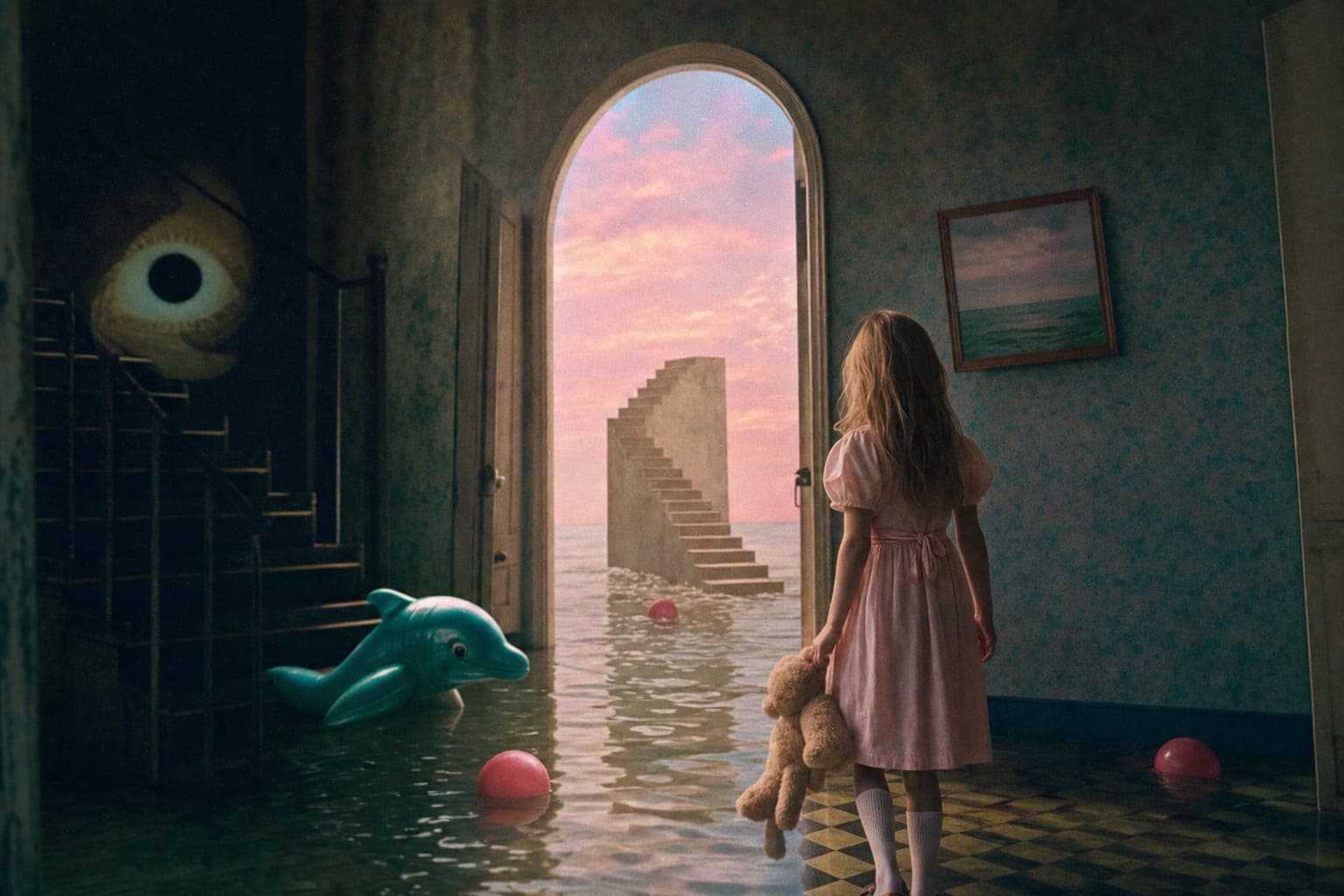
What is Weirdcore?
The weirdcore aesthetic is a surreal, lo-fi internet style built from distorted, low-resolution images that feel nostalgic and quietly unsettling at the same time. It takes ordinary scenes — an empty hallway, a half-remembered bedroom, a too-blue sky — and warps them just enough to feel wrong, like a memory you can't quite place or a dream you woke up from mid-thought. Grainy photos, floating eyes, typed text, and red arrows turn the familiar into something uncanny, and that off-kilter feeling is the entire point.
More than a look, weirdcore is a mood: the dreamlike, liminal in-between where comfort and dread sit side by side. It thrives on early-digital nostalgia — the soft glow of an old monitor, the compression artifacts of a 2000s JPEG, the eerie calm of a place that should be busy but is completely empty. The result is an aesthetic that feels deeply personal and slightly haunted, which is exactly why it exploded across Tumblr, TikTok, and Pinterest as one of the internet's most recognizable surreal-core styles.
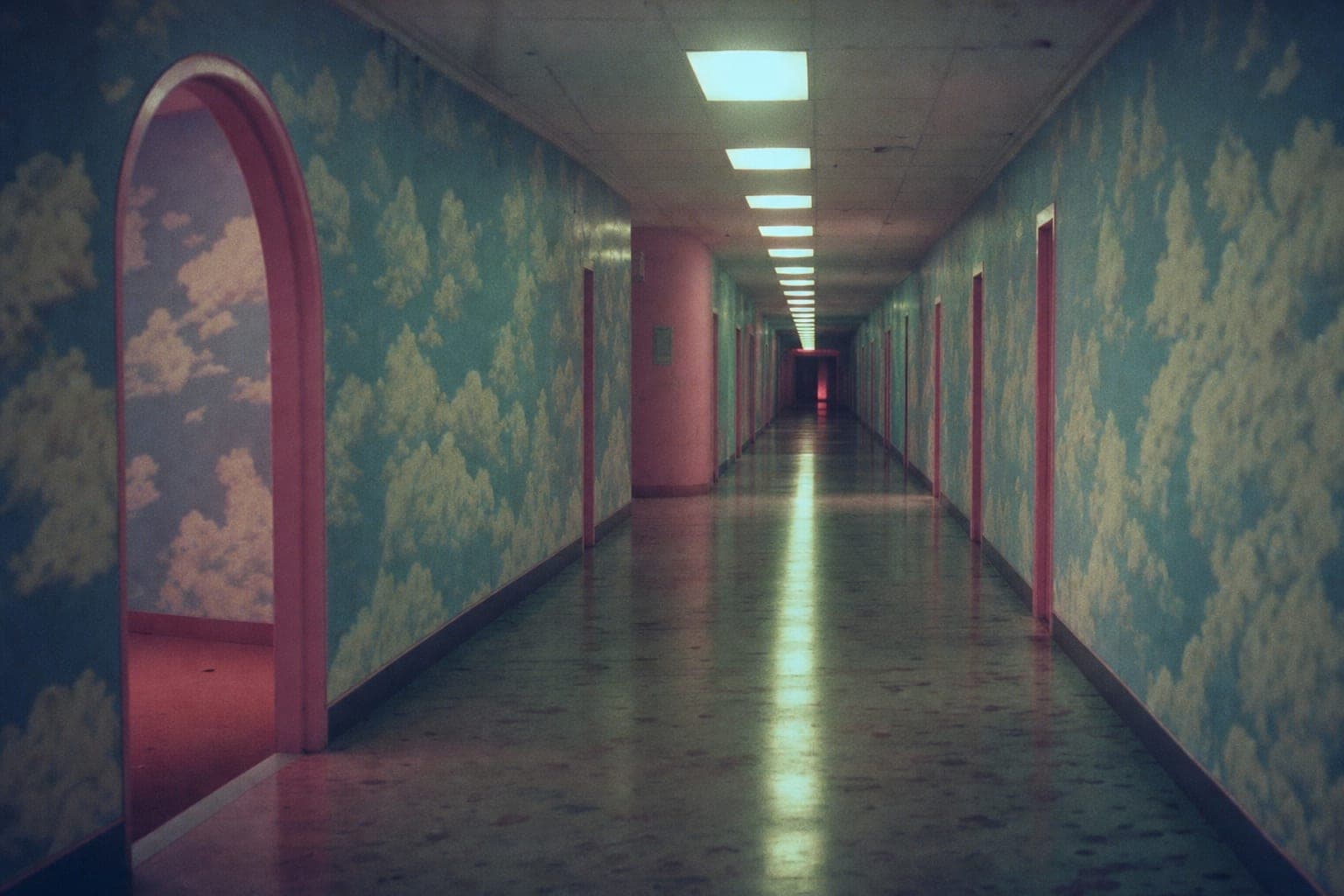
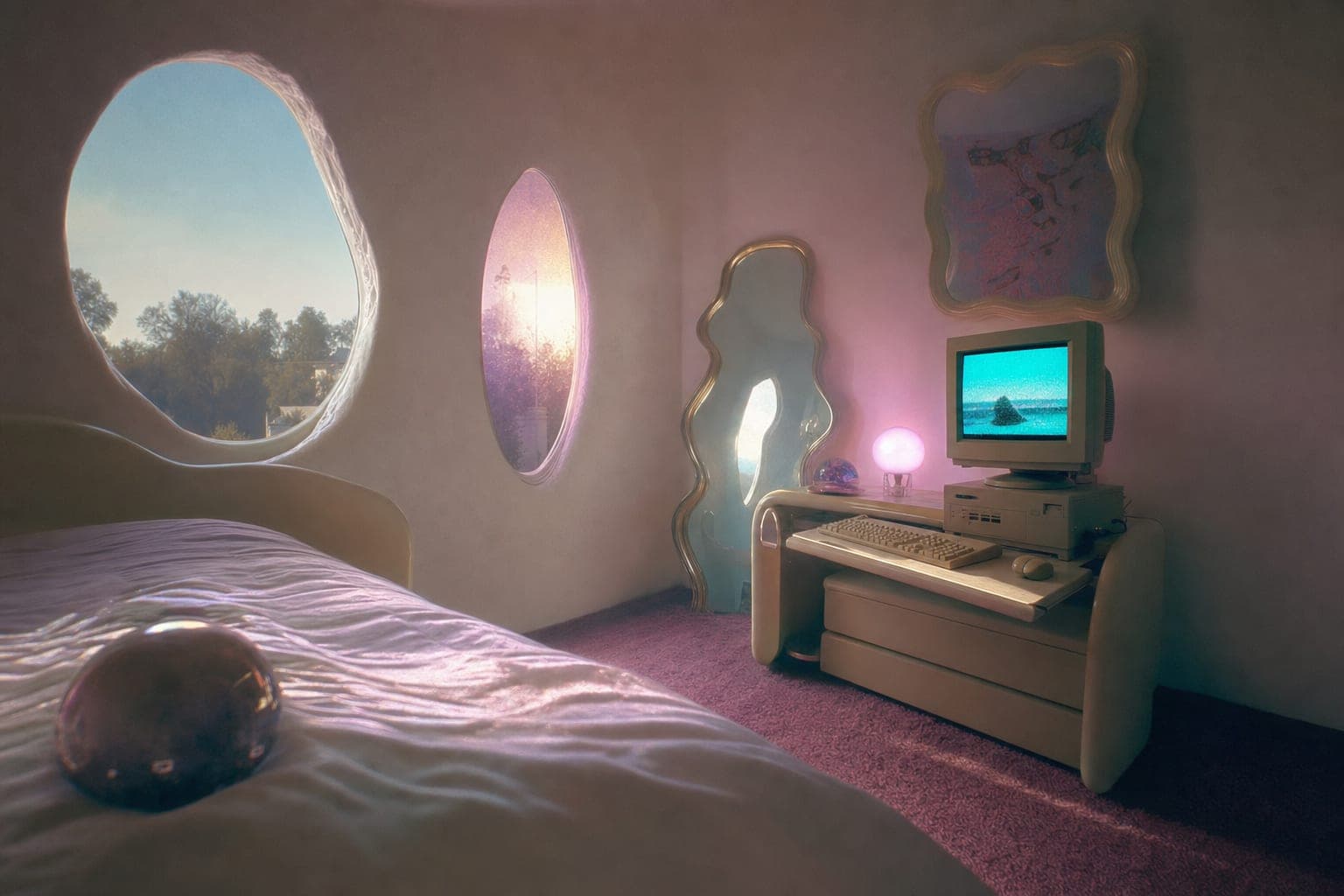
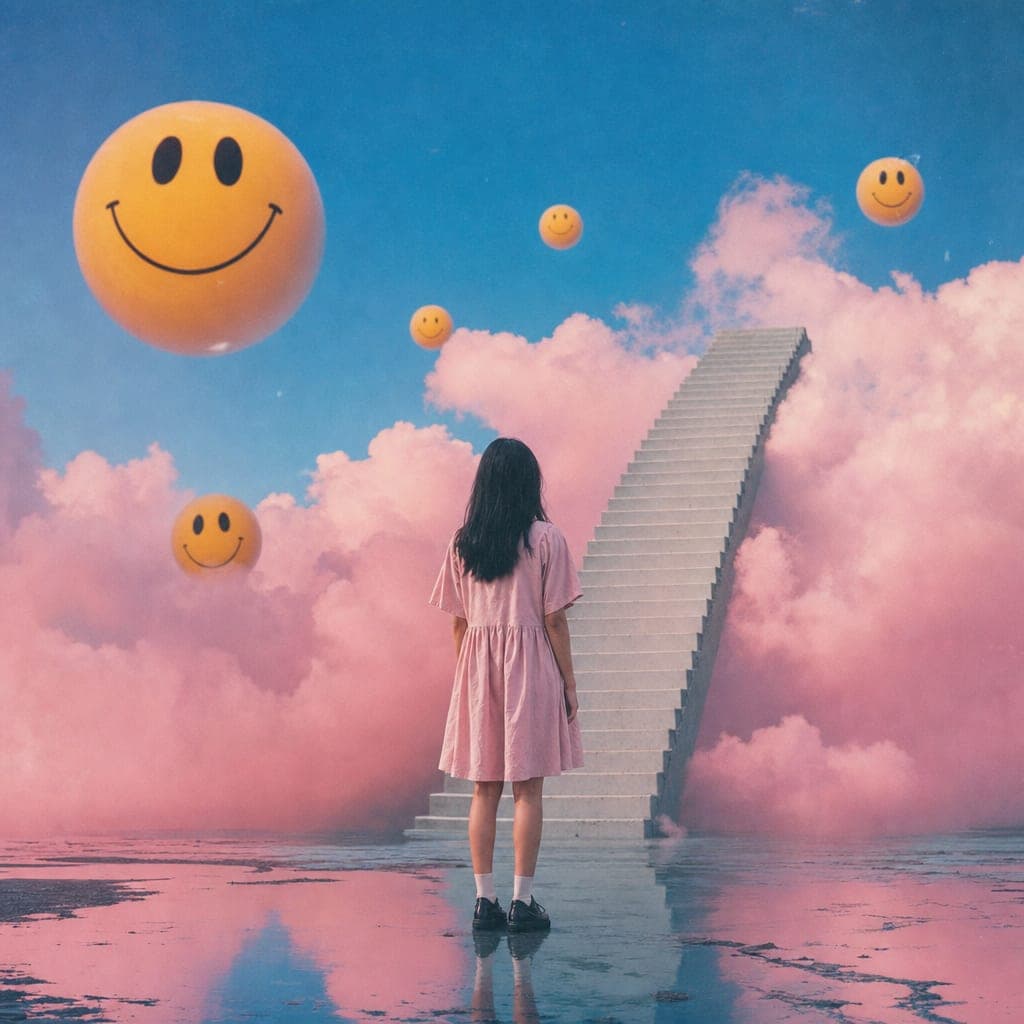
Weirdcore gallery
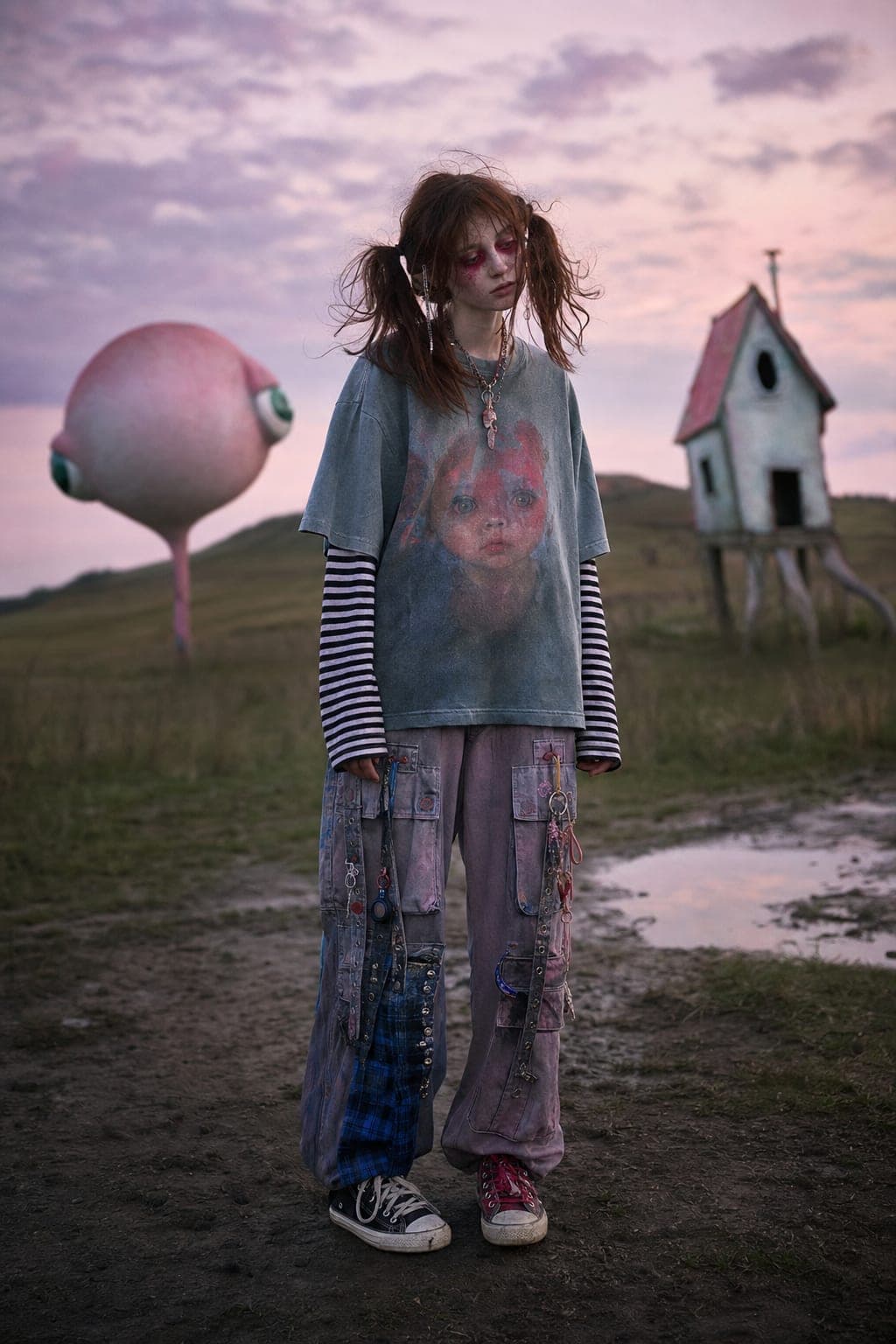
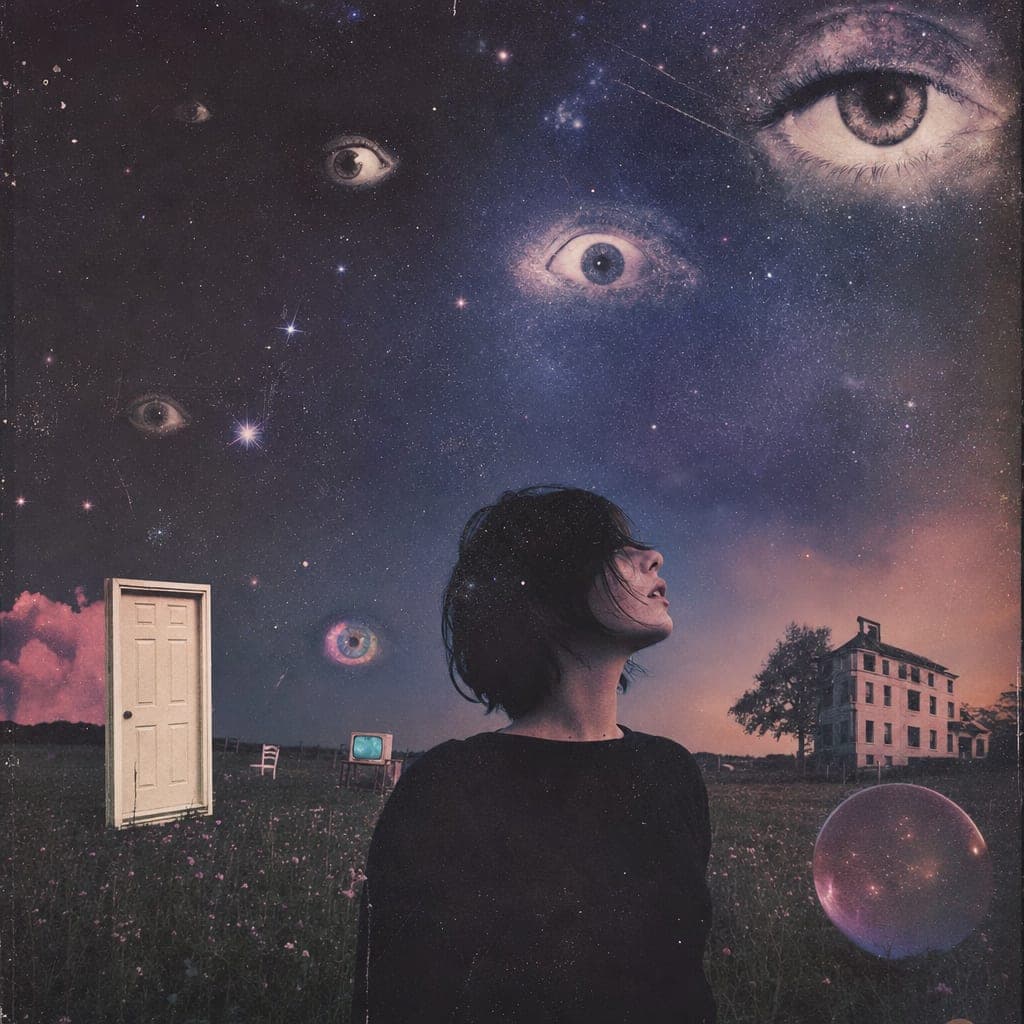
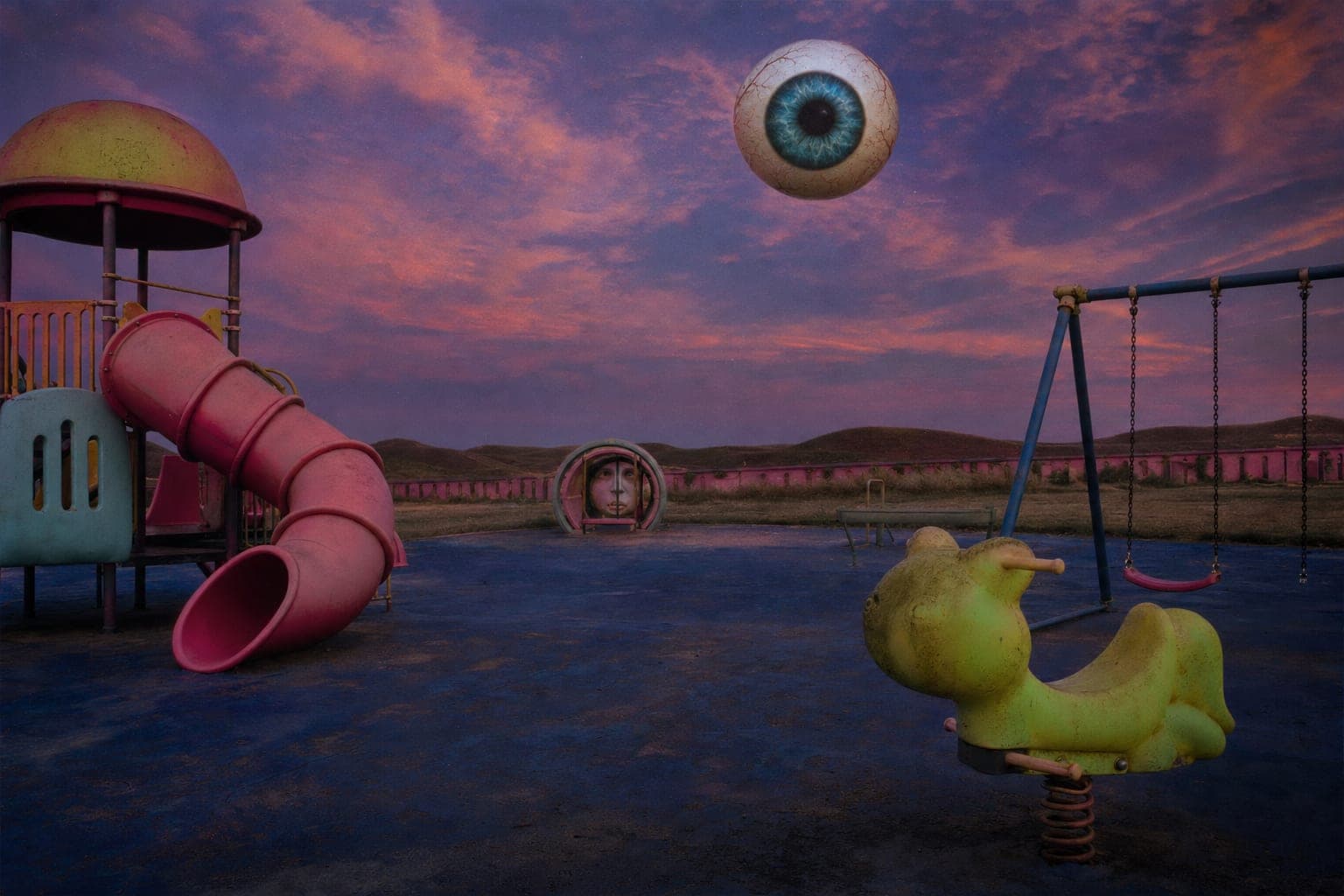
Where Weirdcore Comes From
Weirdcore grew out of 2010s internet culture, where anonymous users on Tumblr, Reddit, and image boards began sharing edited, low-quality photos that captured a strange, hard-to-name unease. The aesthetic draws heavily on early-digital and oldweb nostalgia — clip art, MS Paint, vaporwave compression, and the visual grammar of late-90s and 2000s computing — remixed into surreal collages. As short-form video took over, TikTok turned weirdcore into a full subculture, complete with ambient soundtracks, "you're dreaming" voiceovers, and a steady stream of weirdcore aesthetic edits.
A huge part of weirdcore's DNA is the found-photo edit and a fascination with liminal spaces — empty malls, fluorescent hallways, abandoned playgrounds, and other transitional places that feel suspended outside of time. Creators take real, often mundane snapshots and distort them, oversaturate them, and layer them with text until they read as dream-logic rather than documentation. That collision of genuine nostalgia and digital decay is what gives weirdcore its signature haunted-but-cozy feeling.
The Visual Language of Weirdcore
Weirdcore drawings, edits, and photos all speak the same visual language. The goal is to make an image feel like a glitch in your own memory — recognizable, but subtly broken. These are the core motifs that show up again and again:
- —
Oversaturated, distorted, or warped photos that feel slightly melted or stretched
- —
Low-resolution grain, JPEG artifacts, and that compressed early-digital texture
- —
Red arrows and typed text overlays pointing at — or asking about — nothing in particular
- —
Floating eyes, simple smiley faces, and other repeating childlike symbols
- —
Empty or liminal spaces: hallways, pools, parking lots, and rooms with no people
- —
Too-blue or impossibly bright skies that read as fake or dreamlike
- —
Surreal juxtapositions — everyday objects placed where they don't belong
- —
Soft glows, lens flares, and the flat lighting of old flash photography
Weirdcore vs Dreamcore vs Traumacore
Weirdcore lives in a family of closely related internet -cores, and the differences are mostly about mood. Knowing how they split apart makes it much easier to build a look that lands where you want it:
- —
Weirdcore — surreal and nostalgic with a deliberately unsettling, uncanny edge; distorted found photos, liminal spaces, and that "something is off" feeling
- —
Dreamcore — softer and more oneiric than weirdcore; hazy, dreamlike, and nostalgic, but gentler and far less disturbing, leaning into clouds, pastels, and floaty surrealism
- —
Traumacore — imagery used to process difficult emotions and trauma, often pairing childlike motifs with heavy text overlays; the most personal and somber of the three
In short: dreamcore is the calm, drifting dream, weirdcore is the dream that feels a little wrong, and traumacore is the most emotionally heavy. Many edits blur the lines, so plenty of images could be tagged as more than one — but the weirdcore label always points back to that core sense of nostalgic unease.
The Weirdcore Color Palette
The weirdcore color palette is oversaturated and slightly glitchy — colors pushed past natural into something synthetic and dreamlike. Void black grounds the deep, empty spaces, while glitch cyan, electric blue, and hot magenta give edits that buzzing, screen-lit intensity. Acid green and sickly yellow add the queasy, off feeling, and dusk purple and faded rose soften it into nostalgia. Use the swatch palette below for weirdcore wallpapers, edits, and room accents alike — the trick is letting the brightness feel almost too much, like a photo with the saturation slider cranked.
Weirdcore Outfits & Fashion
Weirdcore outfits translate that surreal, dreamlike mood into clothing, with a deliberately off, mismatched feeling. The styling looks like it was assembled in a dream — pieces that almost go together, layered until the look reads as charmingly wrong rather than coordinated. Think comfort, color, and a little visual noise:
- —
Oversized, faded graphic tees with surreal, glitchy, or nostalgic prints
- —
Baggy cargo pants, parachute pants, or wide-leg jeans
- —
Mismatched layers — clashing patterns, odd color pairings, and unexpected textures
- —
Surreal motifs worn as patches, pins, or all-over prints: eyes, smileys, stars, and clouds
- —
Chunky sneakers, beanies, and arm warmers for that early-2000s digital feel
- —
Pops of the oversaturated palette — glitch cyan, magenta, and acid green accents
Weirdcore Wallpapers, Backgrounds & Edits
Weirdcore wallpapers and backgrounds are the most-searched corner of the whole aesthetic, and they're also the easiest entry point. A great weirdcore background usually starts as an ordinary found photo — an empty room, a cloudy sky, a stretch of carpet — that gets pushed into dream territory through editing. The process is simple and forgiving, which is why so many people make their own weirdcore edits:
- —
Start with a plain, slightly nostalgic photo, ideally low-resolution or a little grainy
- —
Oversaturate the colors and warp or stretch parts of the image until it feels off
- —
Add film grain, noise, or compression so it looks like an old, degraded file
- —
Layer on red arrows, typed captions, floating eyes, or smiley faces for that uncanny signal
- —
Drop in a too-blue sky, a glow, or a surreal object that doesn't belong
- —
Export at a slightly low quality so the final weirdcore wallpaper keeps that lo-fi edge
You can do all of this in free apps like PicsArt, Photopea, or even basic phone editors — weirdcore deliberately rewards imperfection, so polished results actually work against you. Set the finished image as a phone or desktop wallpaper, or post it as part of a weirdcore moodboard.
How to Get the Weirdcore Look (Step by Step)
- —
Collect nostalgic, slightly mundane photos — empty rooms, old computers, liminal hallways
- —
Edit them into weirdcore images: oversaturate, distort, add grain, arrows, and text
- —
Build a weirdcore room with CRT screens or old monitors, soft glowing lights, and surreal posters
- —
Lean into liminal emptiness at home — uncluttered corners, odd lighting, and a faintly dreamlike mood
- —
Style weirdcore outfits from faded graphic tees, baggy pants, and mismatched, surreal-print layers
- —
Pull everything toward the oversaturated, glitchy palette and let the result feel just slightly wrong
The Weirdcore color palette
Popular media
Weirdcore FAQ
Weirdcore is a surreal internet aesthetic built from distorted, low-quality images that feel nostalgic and deliberately unsettling at once. It takes ordinary scenes — empty hallways, old bedrooms, too-blue skies — and warps them with grain, arrows, text, and floating eyes so they feel like a half-remembered dream. The whole point is that uncanny "something is off" mood.
Weirdcore and dreamcore are close siblings that differ mostly in mood. Weirdcore is surreal and nostalgic with a deliberately unsettling, uncanny edge, while dreamcore is softer, hazier, and more oneiric — dreamlike and floaty but far less disturbing. Many edits overlap, but dreamcore feels like a calm dream and weirdcore feels like a dream that's slightly wrong.
Start with a plain, slightly nostalgic or low-resolution photo, then oversaturate the colors and warp or stretch parts of it until it feels off. Add film grain or compression so it looks like an old, degraded file, and layer on red arrows, typed captions, floating eyes, or smiley faces. Free apps like PicsArt or Photopea work perfectly, since weirdcore rewards imperfection over polish.
A weirdcore palette is oversaturated and slightly glitchy, mixing deep void black with electric blue, glitch cyan, and hot magenta for that screen-lit intensity. Acid green and sickly yellow add a queasy, off feeling, while dusk purple and faded rose soften it into nostalgia. The trick is pushing brightness so far it feels almost too much, like a photo with the saturation cranked.
Weirdcore outfits look like they were assembled in a dream — comfortable, colorful, and deliberately mismatched. Build a look from oversized faded graphic tees with surreal prints, baggy cargo or wide-leg pants, and clashing layered patterns. Add surreal motifs like eyes, smileys, and stars, plus chunky sneakers and pops of the oversaturated palette so the whole outfit reads charmingly off rather than coordinated.